
Why SEO Is Important for Business Success
Sharing is Caring!

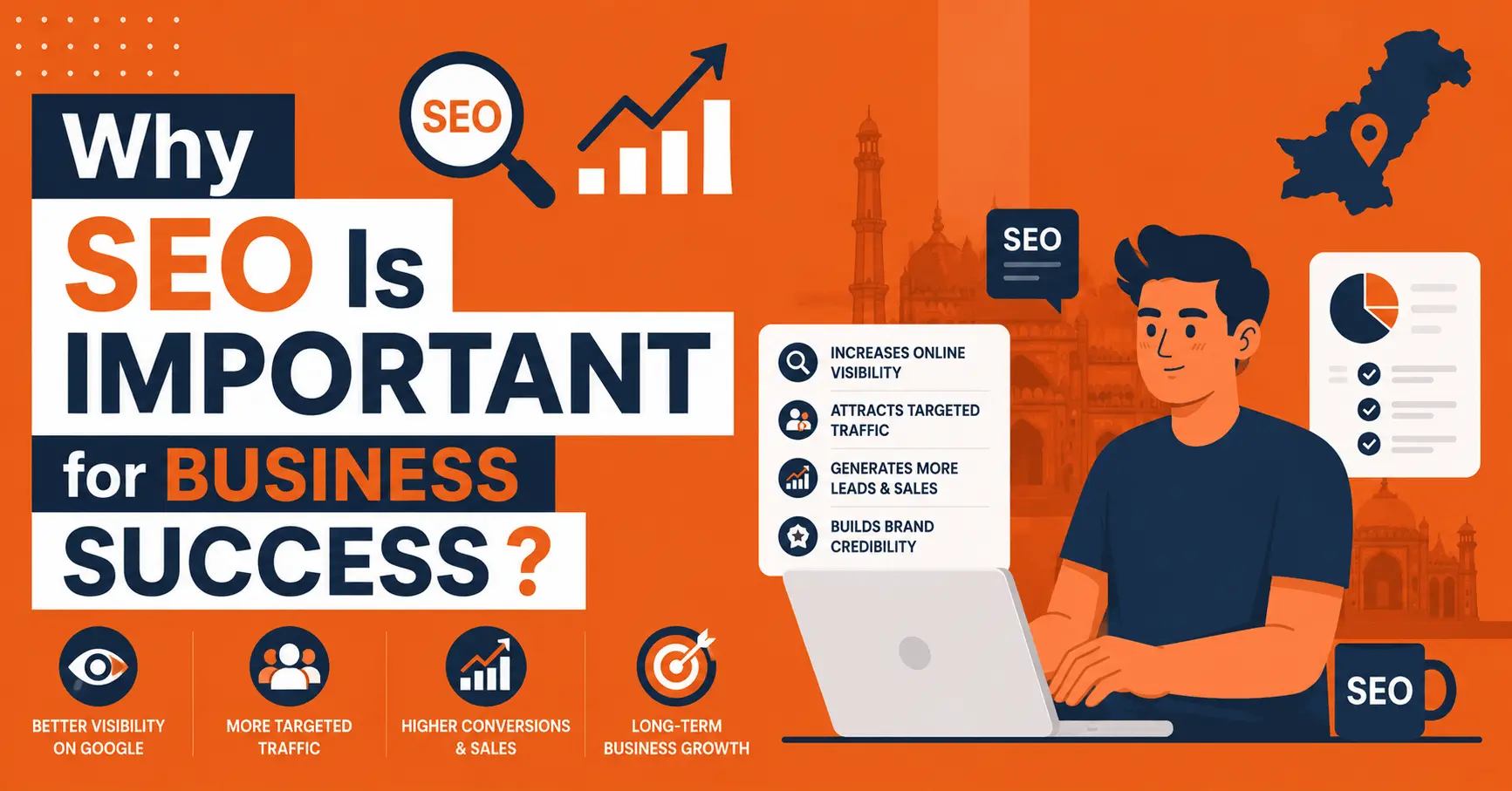
Why SEO Is Important for Business Success?
Search almost this exact phrase and you’ll find dozens of near-identical articles — the same numbered list of benefits, the same recycled statistic about how many purchases start with a search engine, repeated across agency after agency with barely a word changed. None of that is wrong, exactly. It’s just not particularly useful, because it treats “SEO is important” as something to be asserted with a statistic rather than something worth actually explaining.
Here’s a more honest version: SEO matters because of where it sits in how people make decisions, not because of a percentage in a slide deck.
People Search Before They Decide, Not After
Think about the last time you needed a service you hadn’t used before — a mechanic, a specific product, a professional you’d never worked with. You almost certainly searched for it before deciding, even if you also asked a friend or checked a recommendation. That search happened before the decision, not after.
This is the actual reason SEO matters: your business’s visibility at that specific moment shapes who gets considered at all. A business that isn’t visible in that search isn’t being rejected — it’s simply not part of the decision. That’s a different, and in some ways worse, problem than losing to a competitor. You’re not competing; you’re absent.
SEO Is the Rare Channel That Compounds Instead of Resetting
Paid advertising works while you’re paying for it, and stops the moment you stop. Social media reach depends on an algorithm’s mood and requires constant new content just to maintain visibility. SEO is different in one specific, valuable way: a well-optimized page that ranks well tends to keep working, month after month, without needing to be re-paid-for every time someone finds it.
This doesn’t mean SEO is free — it takes real, ongoing work, especially early on. But the effort compounds in a way paid channels don’t. A blog post or service page built two years ago can still be quietly bringing in customers today, with no ongoing spend attached to that specific piece of content.
It Changes How Trustworthy You Look, Not Just How Visible You Are
There’s a psychological effect that’s easy to underestimate: people generally assume that businesses appearing near the top of organic search results are more established or trustworthy than ones that don’t, even when that assumption isn’t always accurate. Ranking well isn’t just about being found — it’s a credibility signal in itself, before a visitor has even read a word of your website.
This is part of why a business with decent SEO but a mediocre offer will sometimes outperform a business with a genuinely better offer but poor visibility. It’s not fair, exactly, but it’s how the decision-making process actually works in practice.
SEO Forces Real Improvements, Not Just Ranking Ones
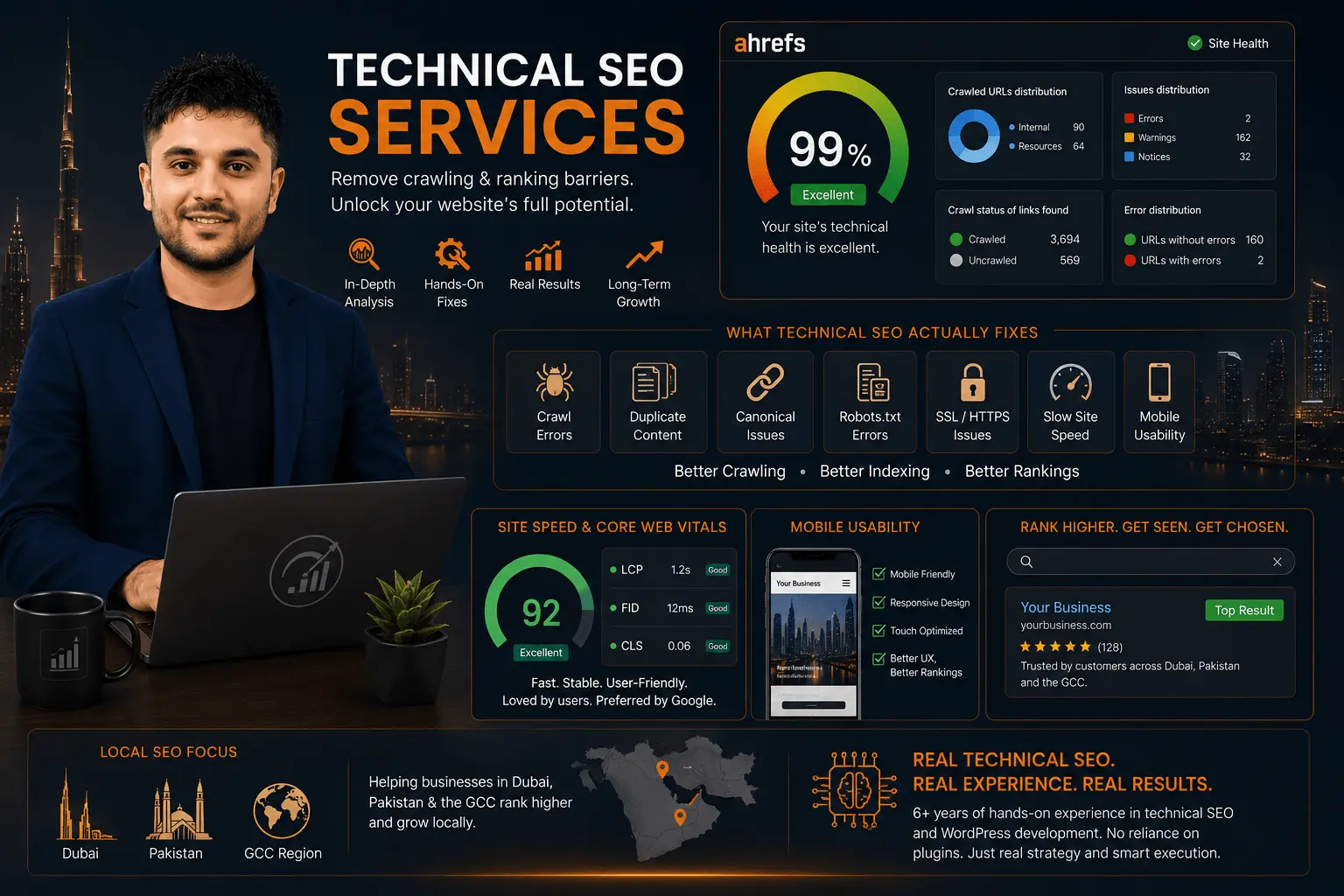
Something that rarely gets mentioned in generic “why SEO matters” content: the process of doing SEO properly tends to fix things about a business’s website — and sometimes its offer — that needed fixing anyway. A slow website, confusing navigation, unclear service descriptions, missing information customers actually want — these are the kinds of issues that technical SEO and broader SEO work can help identify and address, and they can hurt both your SEO and conversion rate at the same time.
In this sense, SEO isn’t a separate marketing activity bolted onto a business. Done properly, it’s closely tied to making the business itself easier to understand, trust, and buy from.
Want to See What SEO Could Realistically Do for Your Business?
Rather than another generic pitch, get a clear, honest look at where your website actually stands today and what’s realistically achievable from here.
What SEO Isn’t — Because This Matters Too
It’s worth being honest about the limits here, since most articles on this topic aren’t. SEO isn’t instant — meaningful results typically take a few months at minimum, longer in competitive industries. It isn’t a fixed formula — what works shifts as search engines change. And it isn’t a replacement for having a genuinely good product or service; it can get more people to your door, but it can’t make them stay once they arrive if what’s behind that door doesn’t hold up.
A business considering SEO is better served understanding this upfront than being sold an oversimplified promise that doesn’t survive contact with reality.
The Real Case for SEO
Strip away the recycled statistics, and the case for SEO comes down to something fairly simple: it puts your business in front of people at the exact moment they’re deciding, it keeps working without constant re-investment the way paid channels don’t, and the process of doing it well tends to improve things about your business that were worth improving anyway. That’s a genuinely strong case — it just doesn’t need an inflated statistic to make it.
FAQs
How is SEO different from paid advertising?
Paid advertising delivers visibility only while you’re actively paying for it. SEO takes longer to show results but tends to keep working over time without ongoing cost tied to each specific piece of content, once it’s ranking well.
Is SEO worth it for a small or new business?
Often, yes — arguably more so than for a large, already-established business, since SEO is one of the few channels where a smaller business can genuinely compete for visibility without needing to outspend larger competitors.
How quickly does SEO actually work?
Meaningful movement typically takes a few months at minimum, with stronger results building over 6 to 12 months. Any provider promising faster, guaranteed results is oversimplifying how search engines actually work.
Can SEO fix a business that isn’t doing well otherwise?
No — SEO can bring more of the right people to your website, but it can’t compensate for a weak offer, poor service, or a confusing customer experience once they arrive. It works best alongside a genuinely solid business, not as a substitute for one.